
Places to Visit? We Know!
The West region of Portugal isn’t just about beaches and sunshine!
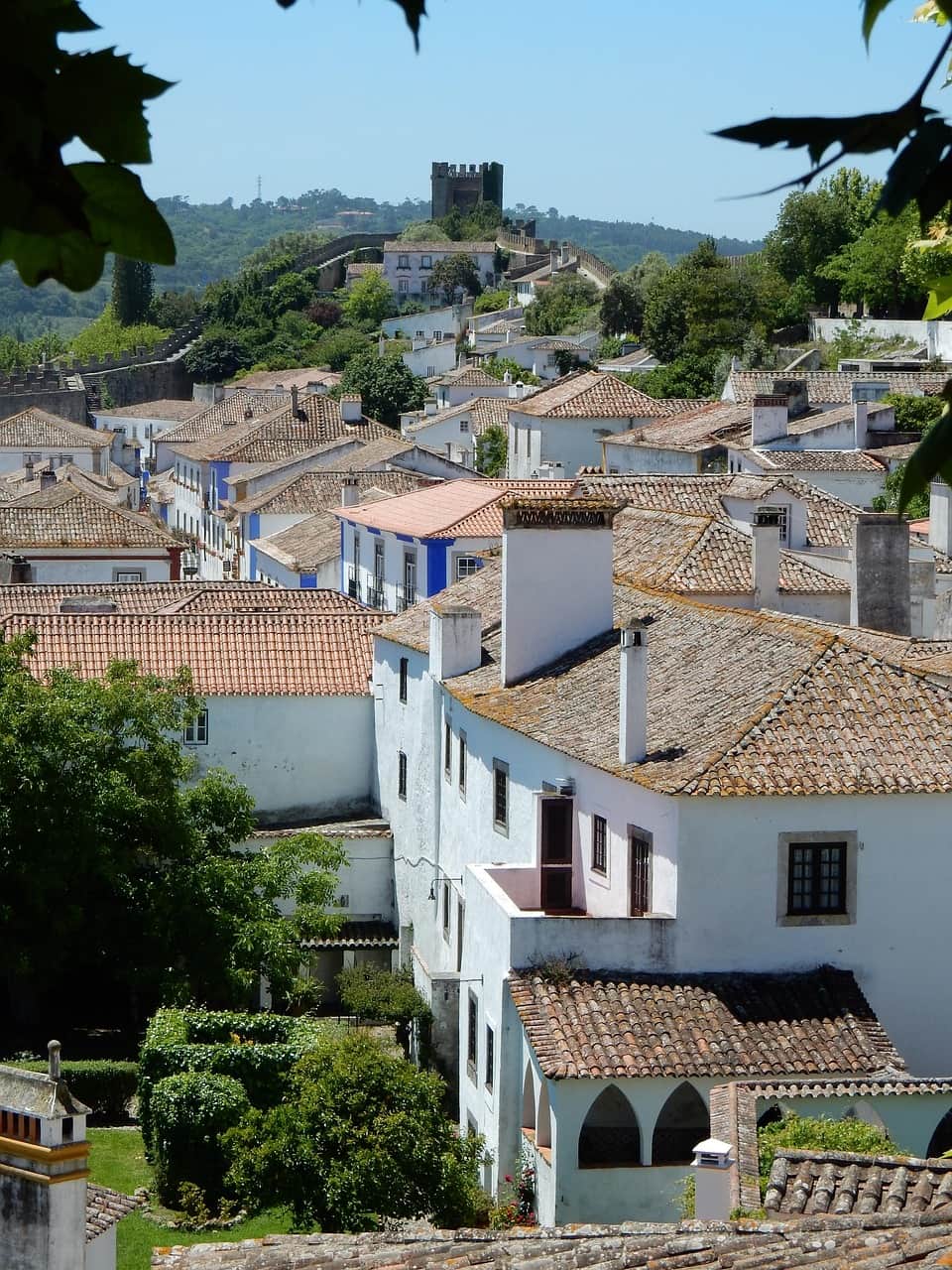
Perched atop a hill in the western region of Portugal, Óbidos is surrounded by an ancient fortified wall.
Beyond the walls, the magnificent medieval castle and the historic center of Óbidos are the city’s main attractions and can easily be explored on foot. The maze of narrow, cobbled streets leads you to lively squares, cozy cafés, charming shops, and local craft markets. Everywhere you look, you will see whitewashed houses decorated with beautiful flowers and colorful tiles. One street you should not miss, and which deserves special mention, is Rua Direita.
In the Historic Center of Óbidos, you can visit several monuments, such as churches and museums (closed on Mondays).
Areas open to visitors include the Garden/Terrace, the Belvedere located in front of the Castle entrance, the walls, and the “Cerca” courtyard behind the Castle (when no events are taking place).
Access to these areas is free, including entry to the town and its monuments.
Regarding the walls, they have a perimeter of 1,565 meters and can be easily walked along. However, caution is always necessary, as there are no protective barriers and they are not suitable for small children.
Wine and Art Concept
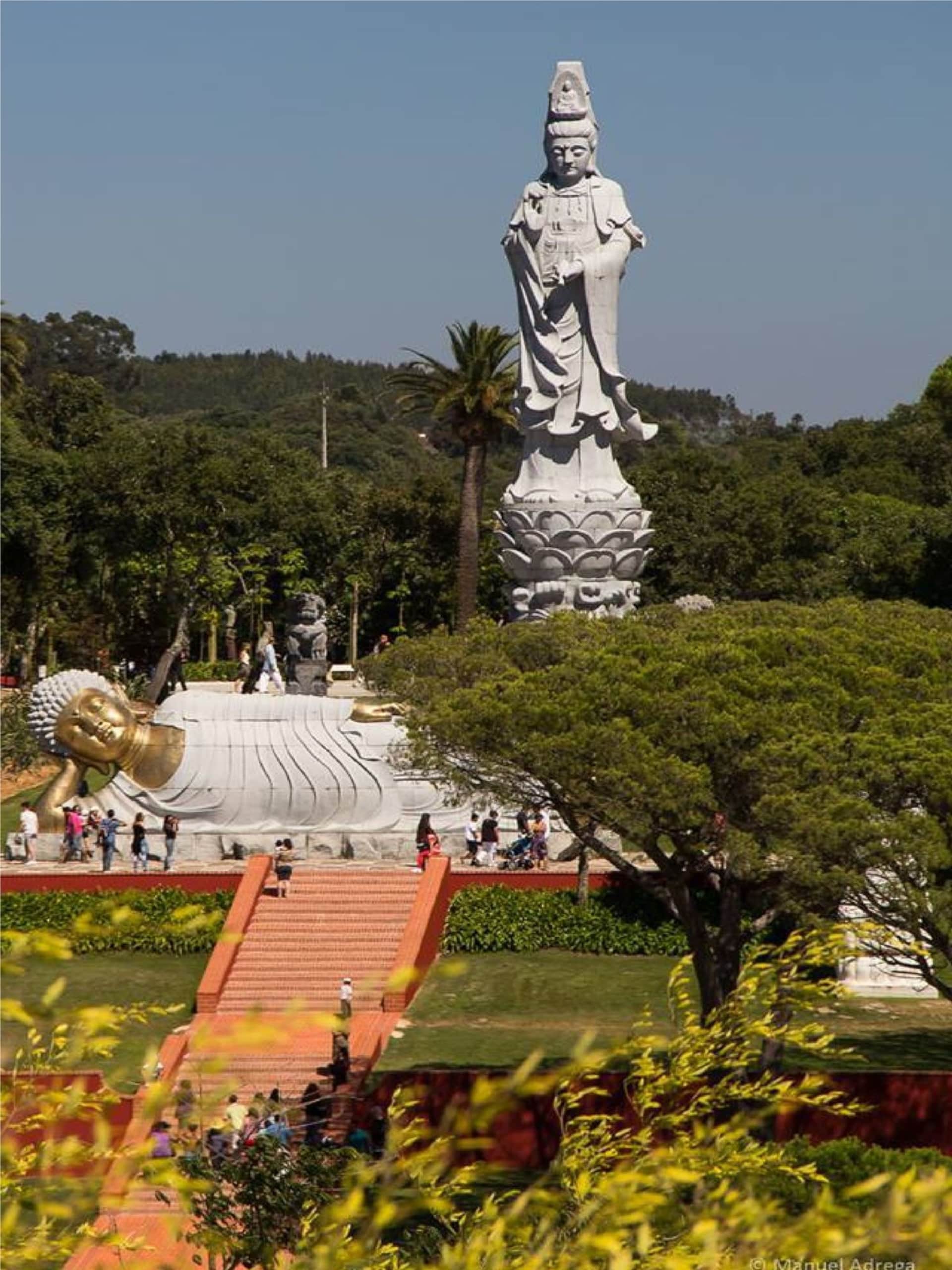
Set in a vast and peaceful landscape, Buddha Eden is a truly unique garden where art, nature, and spirituality come together in perfect harmony.
Among Buddhas, pagodas, terracotta statues, and numerous sculptures carefully placed throughout the vegetation, it is estimated that more than 6,000 tons of marble and granite were used to create this monumental work.
The central staircase is the focal point of the garden, where golden Buddhas calmly welcome visitors and create an atmosphere of serenity and contemplation. In the central lake, visitors can observe colorful koi fish swimming peacefully, as well as impressive carved dragons rising from the water.
The Modern and Contemporary Sculpture Garden offers a tranquil natural setting to appreciate modern art, inviting reflection and quiet appreciation. The African Sculpture Art Garden is dedicated to the Shona people of Zimbabwe, who have been hand-carving stone for over a thousand years, transforming it into powerful works of art. They believe in ancestral spirits known as “Vadzimu,” and their sculptures beautifully express the deep connection between the physical world and the spiritual realm.
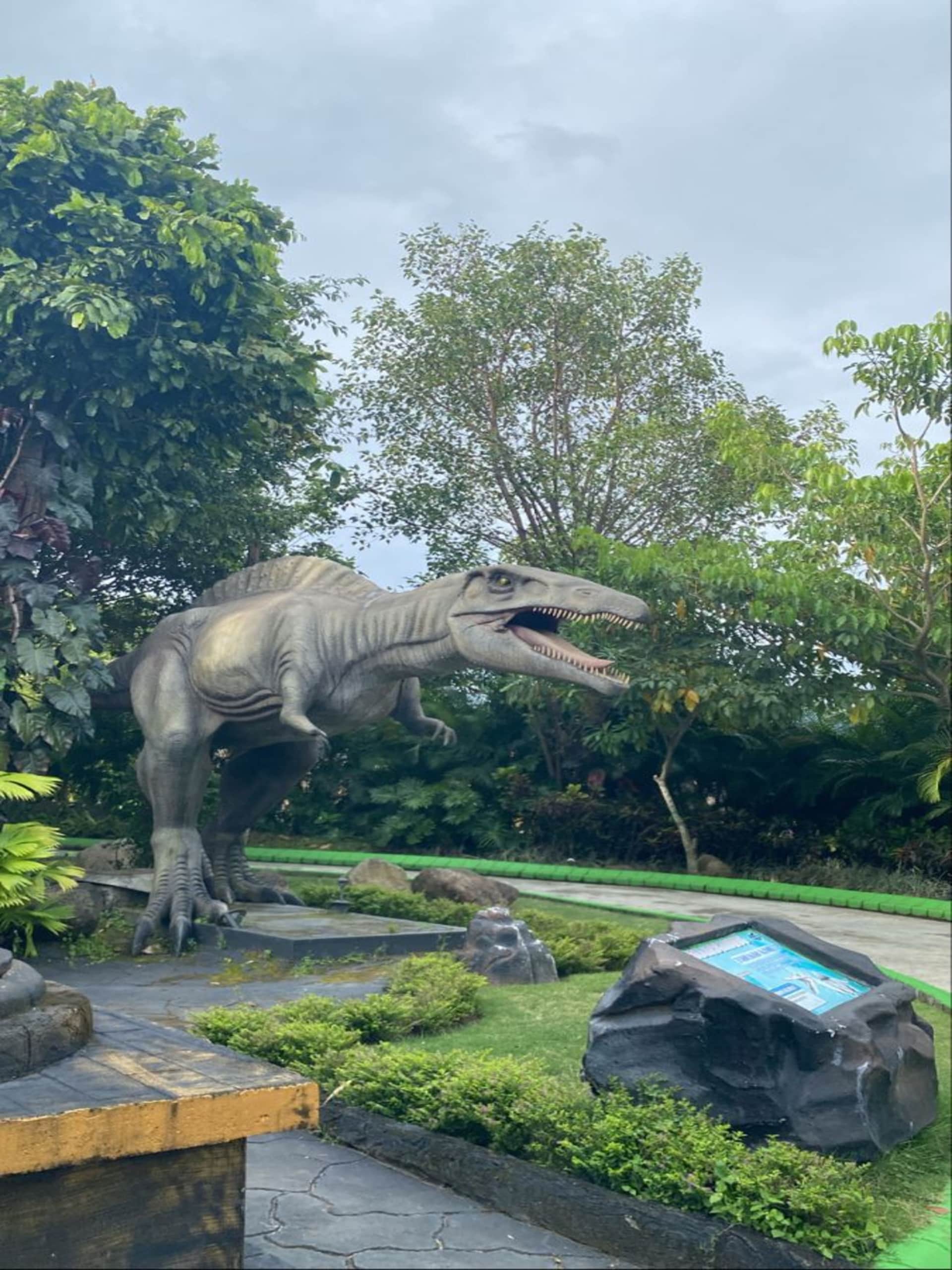
Dino Park is a captivating theme park dedicated to the fascinating history of dinosaurs and holds the title of the largest open-air museum in Portugal.
Nestled in the scenic Lourinhã region, the park allows visitors to step back in time and explore more than 200 life-sized, scientifically accurate models of dinosaurs and other prehistoric animals. These remarkable exhibits are carefully arranged according to the most significant periods in Earth’s history and the evolution of life, and are spread across six different trails, each offering a unique journey through the prehistoric world.
In 2024, Dino Park introduced its newest spectacular attraction, the Shark – Helicoprion, along the Marine Monsters Trail, giving visitors an even more thrilling glimpse into the mysteries of ancient oceans.
A visit to Dino Park in Lourinhã is not only entertaining but also highly educational. Guests can learn about the incredible world of dinosaurs and prehistoric animals, discovering species that once roamed Portugal as well as creatures from distant continents. Walking through the park, families, school groups, and enthusiasts of all ages can experience the sights, sounds, and stories of a world that existed millions of years ago, bringing the history of life on Earth vividly to life.
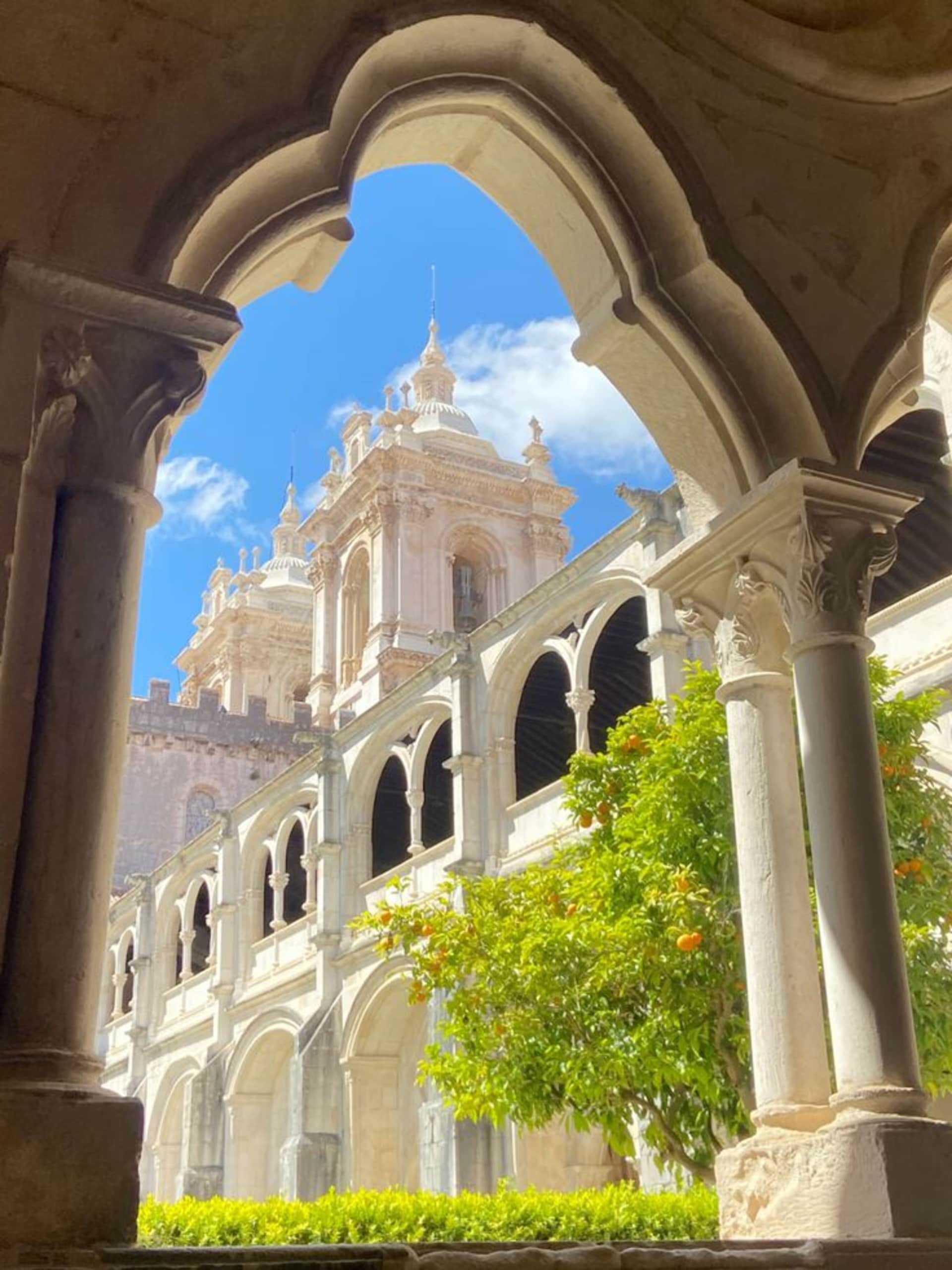
The Monastery of Alcobaça (Portuguese: Mosteiro de Santa Maria de Alcobaça) is one of Portugal’s most remarkable historical treasures and a UNESCO World Heritage Site.
Founded in the 12th century by the first King of Portugal, Afonso Henriques, it stands as a masterpiece of early Gothic architecture and an enduring symbol of medieval faith, culture, and power in the region.
Construction of the monastery began around 1178 and was completed over several decades, resulting in one of the earliest and most influential Gothic complexes in the country. Over the centuries, it grew in wealth and influence, becoming one of the most powerful Cistercian abbeys in Europe. It played a central role not only in religious life but also in education, agriculture, and the development of the surrounding region.
Visitors approaching the monastery are immediately struck by its impressive façade and vast scale, which reflect the Cistercian Order’s emphasis on both grandeur and spiritual contemplation. Inside, the vast church houses some of Portugal’s most poignant historical artworks, including the intricately carved 14th‑century tombs of King Pedro I and his beloved Inês de Castro, whose tragic love story is legendary in Portuguese history.
Beyond the church, the monastery’s cloisters, chapels, and surrounding buildings offer a fascinating glimpse into monastic life and medieval craftsmanship. The peaceful Cloister of Silence and other quiet spaces evoke the disciplined yet serene world of the Cistercian monks who lived, worked, and prayed here for centuries.
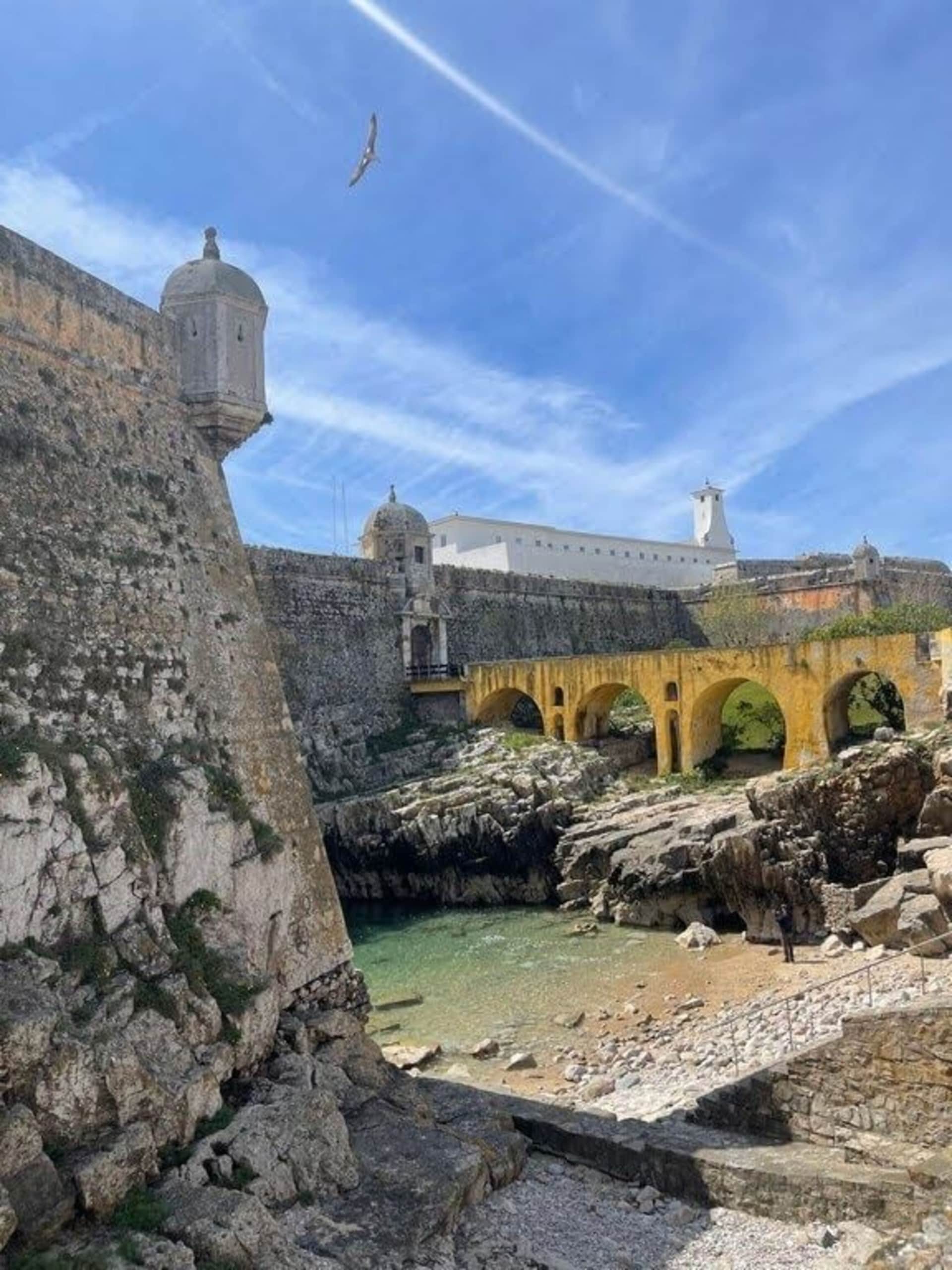
Perched on a rocky peninsula overlooking the Atlantic Ocean, the Fortress of Peniche is one of Portugal’s most iconic historical landmarks.
Built in the 16th century to protect the coast from pirate attacks, this massive fortification has witnessed centuries of maritime history and military strategy. Its thick stone walls, cannons, and watchtowers tell the story of a time when Portugal’s coastline needed constant vigilance against foreign invaders.
Over the years, the fortress has served many roles, most notably as a political prison during the 20th century. Today, it houses the Museum of Resistance and Freedom, where visitors can learn about the struggles for democracy and the stories of those who were imprisoned for opposing dictatorship. Walking through its corridors and cells, you can feel the echoes of the past, from soldiers on guard to the prisoners whose courage helped shape modern Portugal.
With breathtaking views of the Atlantic, the fortress remains a striking visual and cultural landmark. Its location on the edge of the sea makes it perfect for photography, cultural visits, and reflection on Portugal’s journey toward freedom. A visit to the Fortress of Peniche and its museum is both an educational and inspiring journey into the country’s history of resistance, resilience, and liberty.
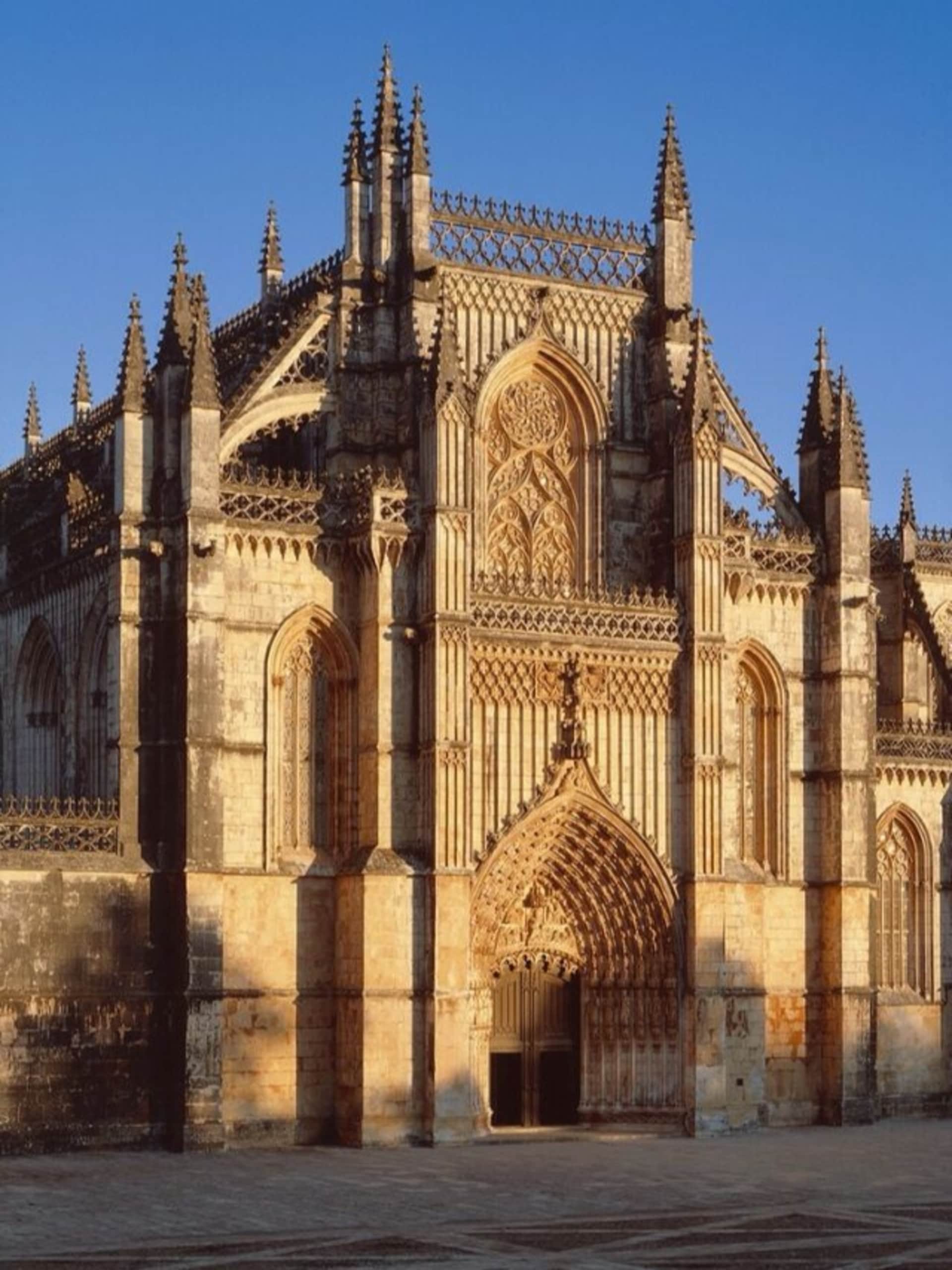
The Monastery of Batalha (Mosteiro da Batalha) is one of Portugal’s most impressive historic sites and a true masterpiece of medieval architecture.
Built to commemorate the decisive Battle of Aljubarrota in 1385, where Portugal secured its independence from Castile, this magnificent monastery stands as a symbol of national pride and heritage.
Construction began in the late 14th century under King João I and continued for more than a century, involving multiple generations of master builders. The result is an extraordinary blend of Gothic and Manueline styles, with ornate facades, soaring arches, and intricate stone carvings that reflect the artistic ambition of the era.
A highlight of the monastery is the Founder's Chapel, the final resting place of King João I, his queen Philippa of Lancaster, and other members of the Portuguese royal family. Visitors can also explore the dramatic Unfinished Chapels and the beautiful Royal Cloister, each offering a unique glimpse into Portugal’s architectural evolution and rich history.
Today, the Monastery of Batalha is recognized as a UNESCO World Heritage Site, drawing visitors from around the world who come to admire its grandeur, craftsmanship, and deep historical significance. It remains one of the most inspiring cultural landmarks in Portugal, where history, art, and memory come together in an unforgettable setting.
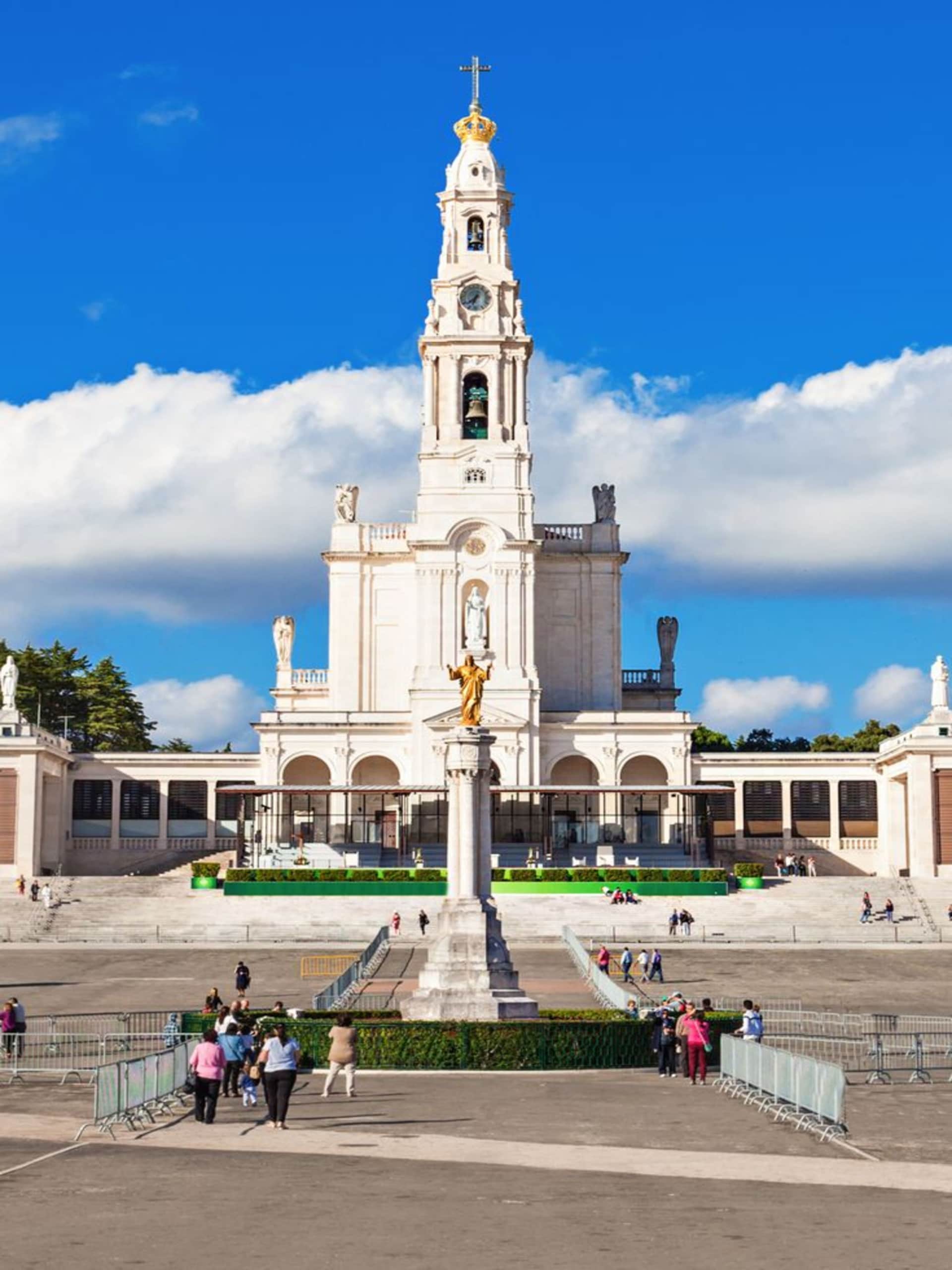
Fátima is one of Portugal’s most important religious and cultural destinations, renowned worldwide for its spiritual significance and historical heritage.
The town became famous after the Marian apparitions in 1917, when three young shepherd children reported seeing the Virgin Mary. Today, Fátima attracts millions of pilgrims and visitors every year, drawn by faith, curiosity, and the serene atmosphere of this sacred place.
At the heart of Fátima is the Sanctuary of Our Lady of Fátima, a magnificent complex that includes the Basilica of Our Lady of the Rosary, the Chapel of the Apparitions, and the new Basilica of the Holy Trinity. Visitors can explore the chapels, attend masses, or walk the Via Sacra, a path lined with statues depicting the Stations of the Cross, which offers a reflective and contemplative experience.
The town itself offers more than just religious sites. Its charming streets, local shops, and cafés allow visitors to experience traditional Portuguese culture. The surrounding countryside adds to the experience, providing peaceful walks and scenic views, making Fátima not only a spiritual destination but also a place to appreciate history, architecture, and the natural beauty of central Portugal.
Whether visiting for religious devotion, historical interest, or cultural exploration, Fátima is a place of inspiration, reflection, and unforgettable experiences, leaving a lasting impression on all who come to witness its unique atmosphere.
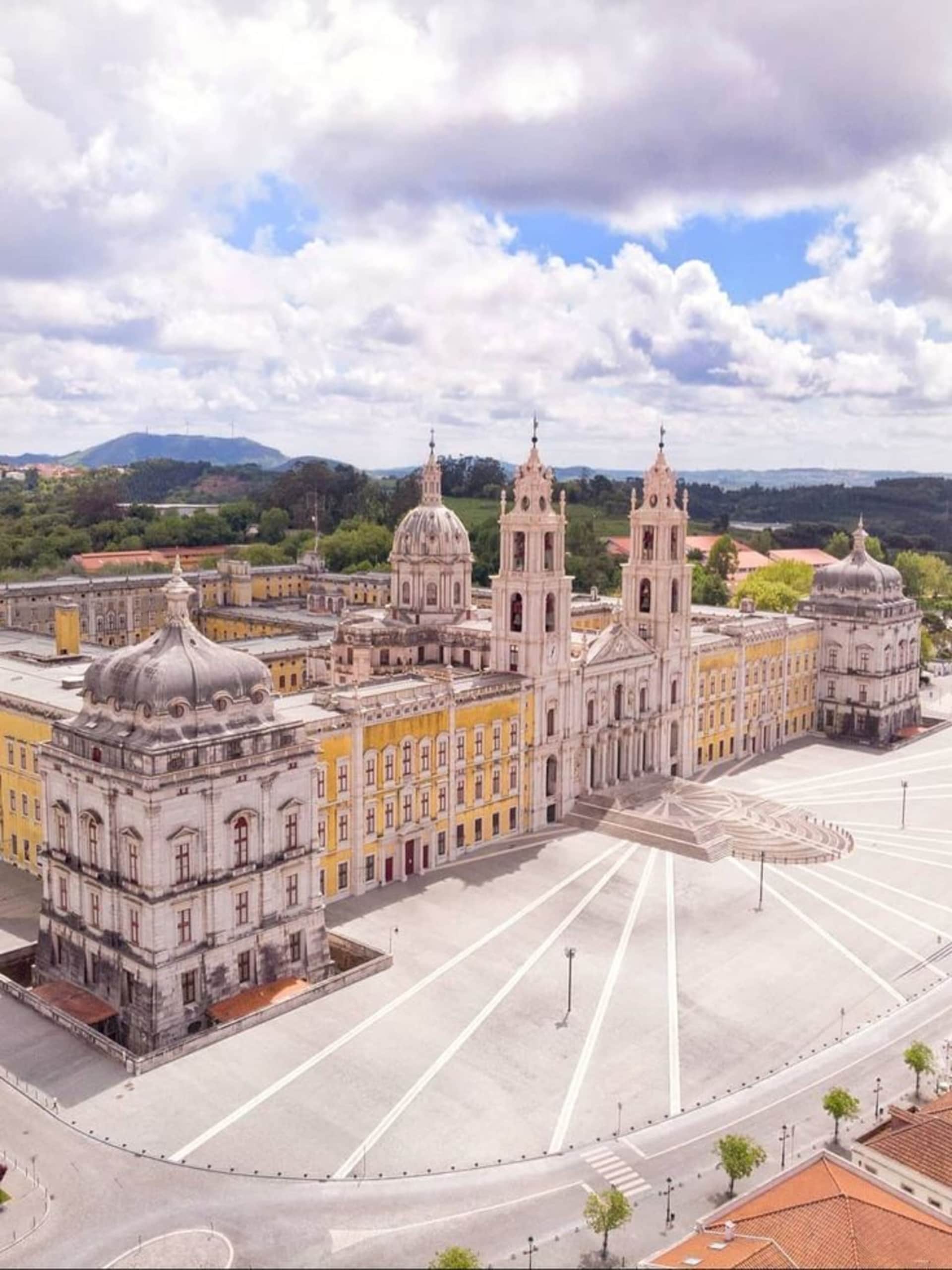
The Convent of Mafra, also known as the Mafra National Palace, is one of the most monumental architectural works in Portugal and a remarkable symbol of the country’s royal and religious history.
Built in the 18th century during the reign of King João V, the palace was conceived as a grand statement of power, faith, and artistic ambition, made possible by the wealth brought from Brazil at the time.
This vast complex combines a royal palace, a Franciscan convent, and a magnificent basilica, creating an impressive ensemble of Baroque architecture. One of its greatest treasures is the palace library, home to more than 36,000 leather-bound volumes, including rare and valuable works, preserved in a stunning Rococo setting. The basilica is equally impressive, featuring six historic pipe organs and two carillons, among the largest in the world.
Surrounded by the Tapada de Mafra, a former royal hunting ground that now serves as a protected natural area, the palace offers visitors a unique experience where history, art, and nature come together. Today, the Convent of Mafra is recognized as a UNESCO World Heritage Site, standing as a testament to Portugal’s cultural legacy and offering an unforgettable visit for those interested in history, architecture, and royal heritage.
Stay Close to Everything
All these incredible places are within close distance of our properties.
Enjoy the perfect base to explore the West Coast with comfort and local support.